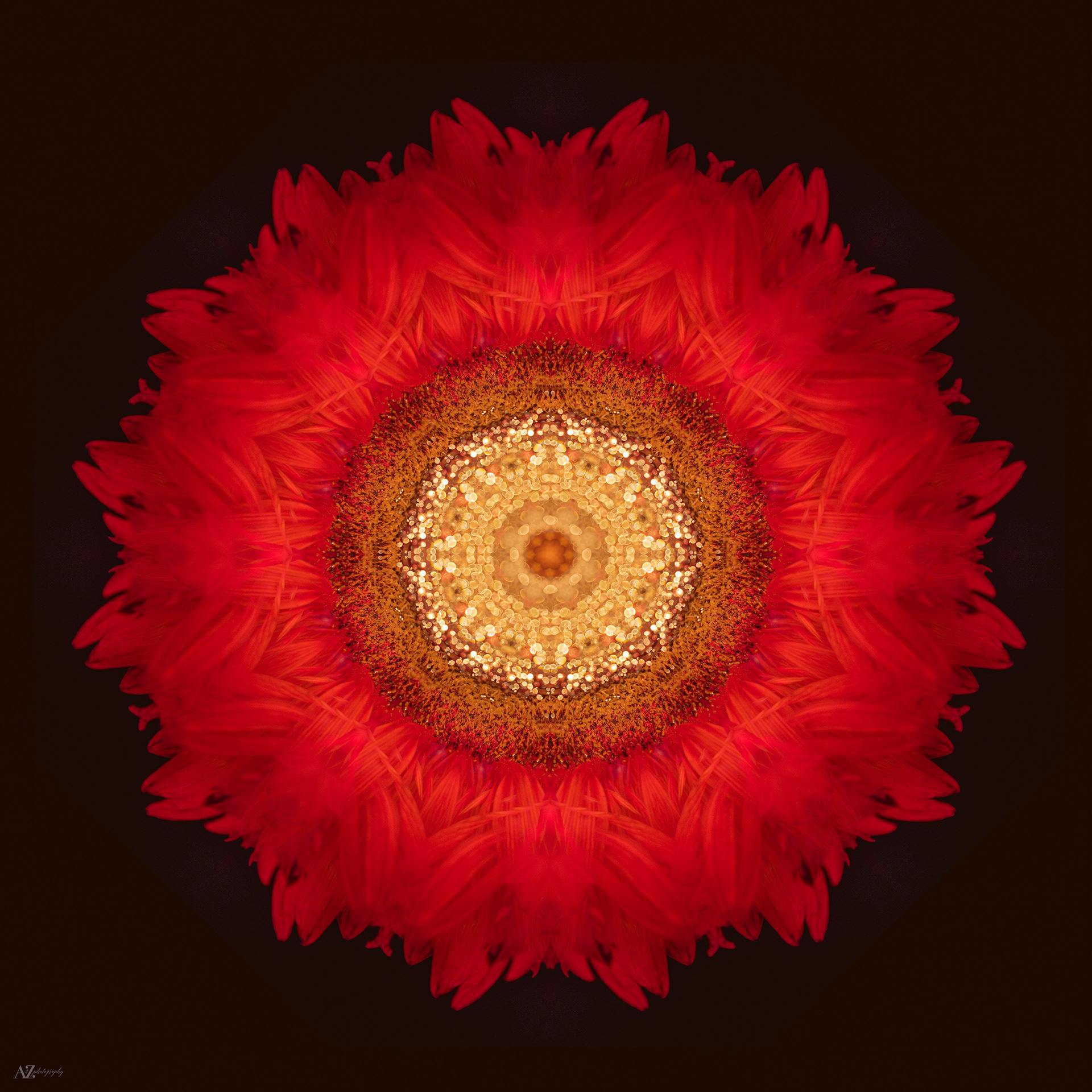
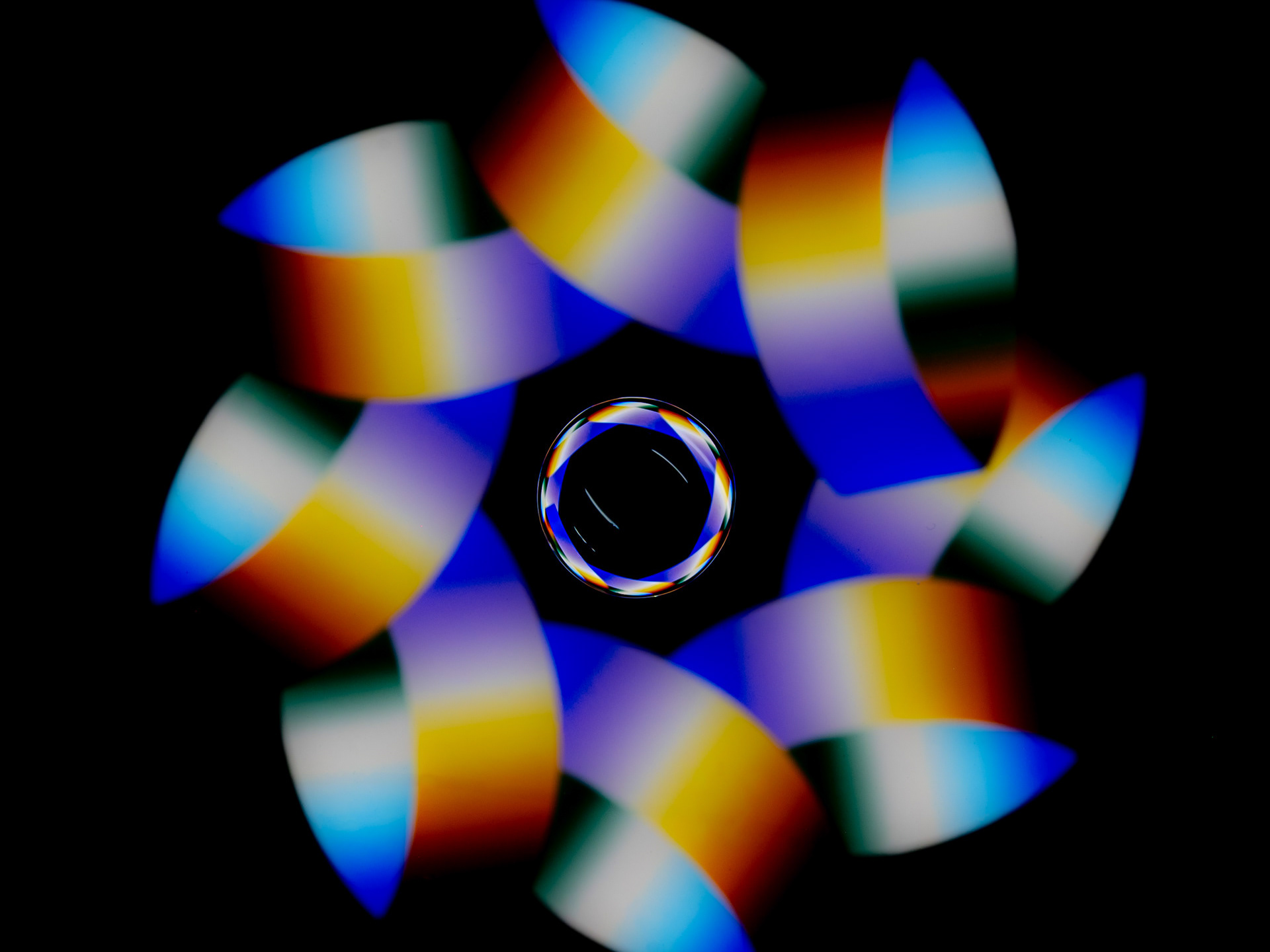
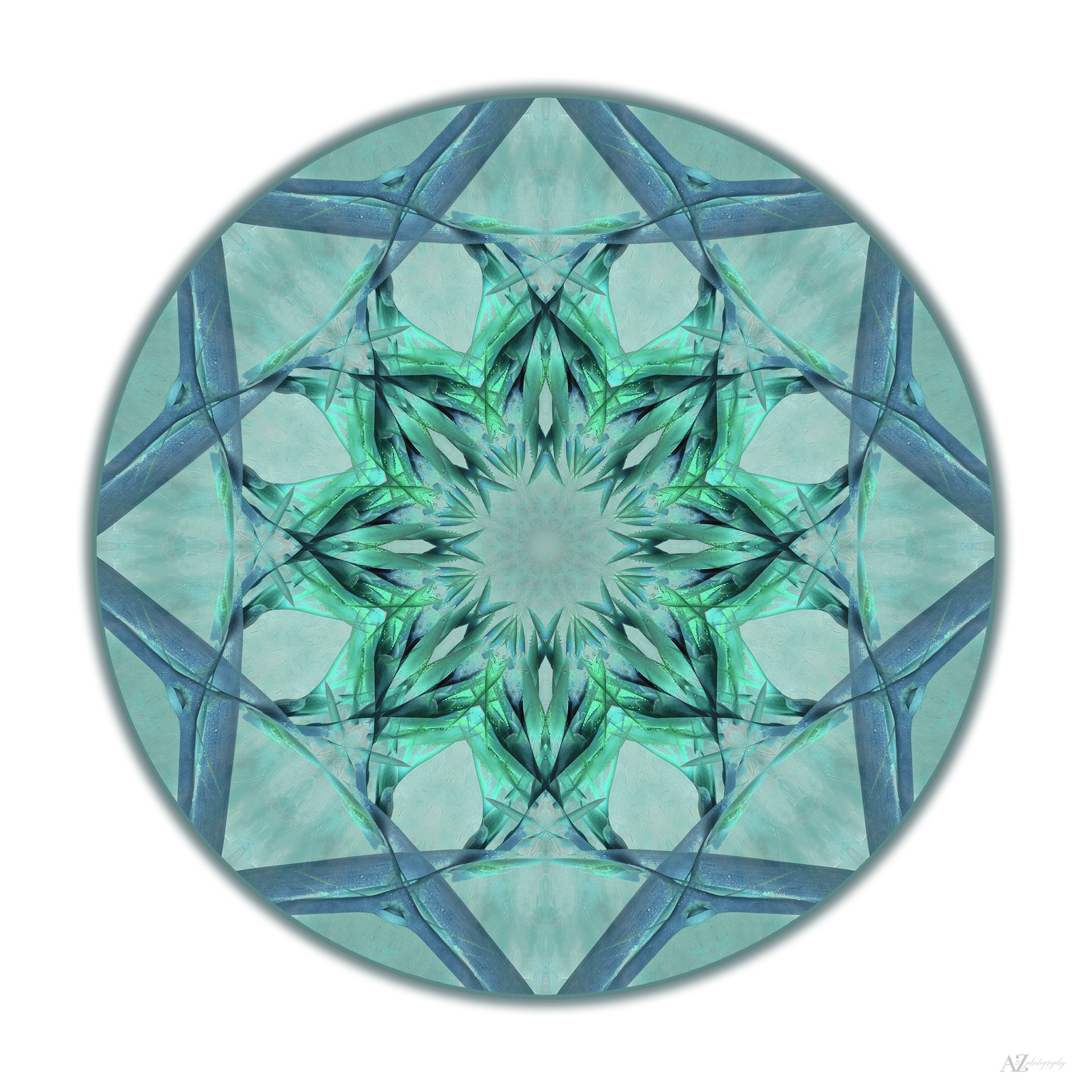
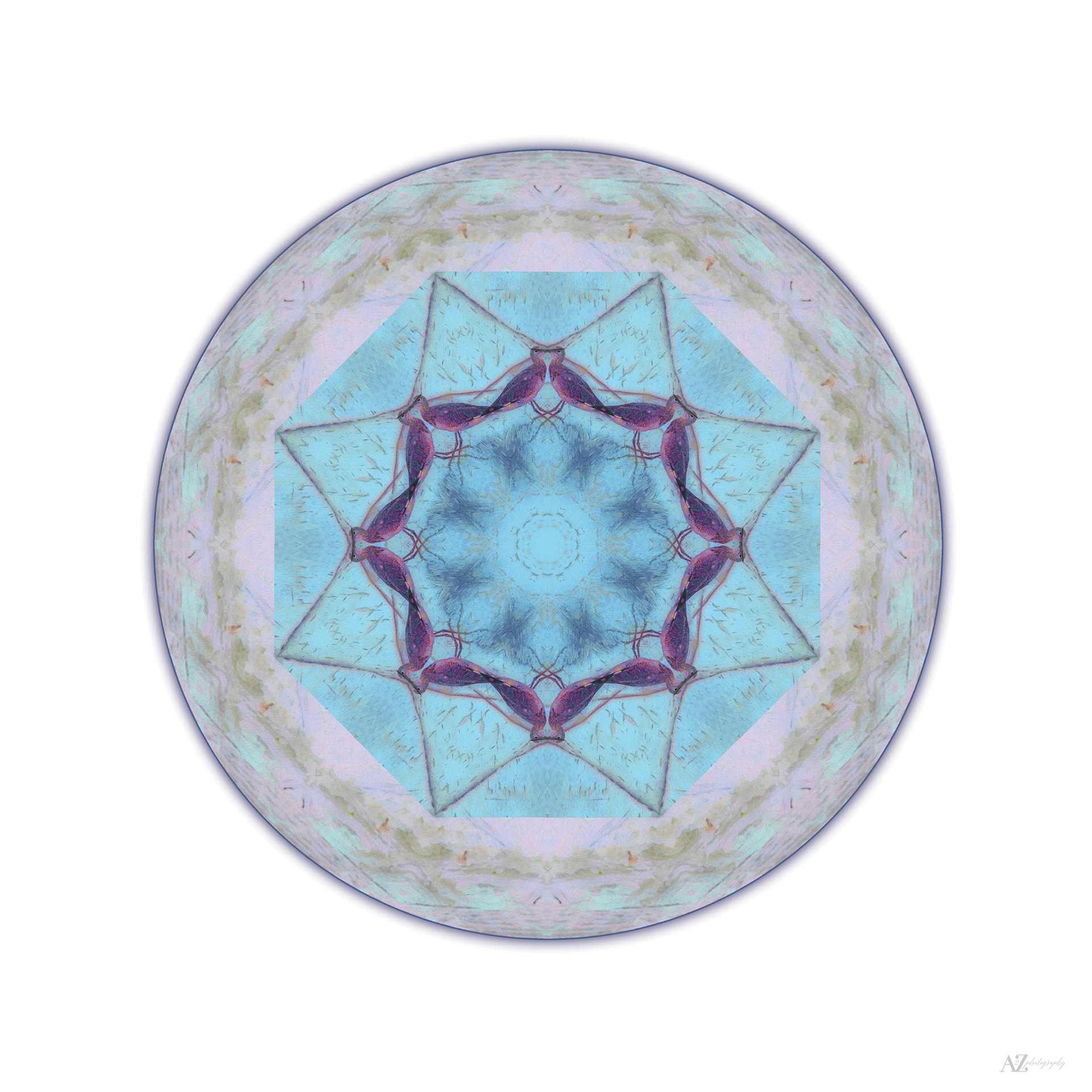
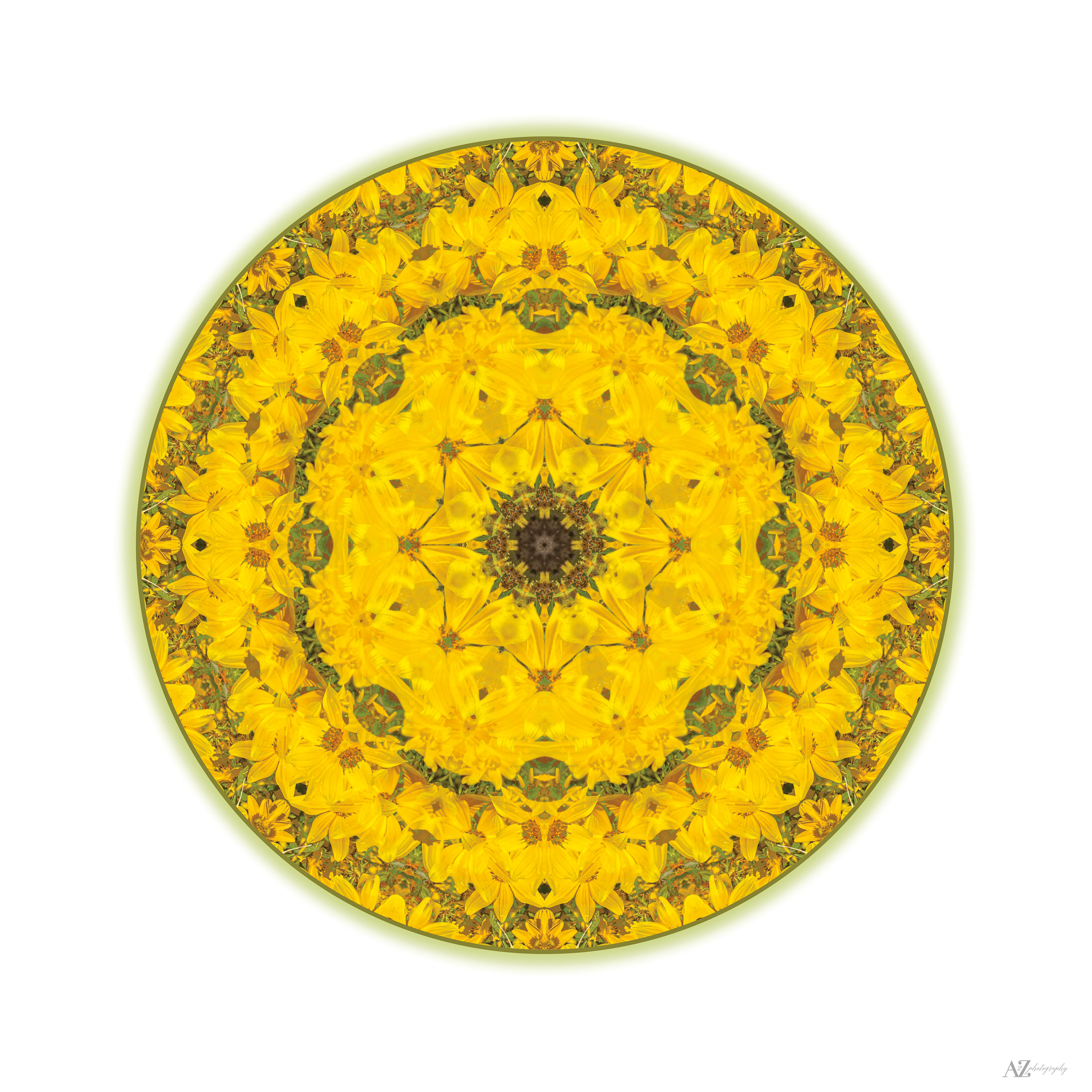
A few years ago, a friend of mine purchased a card from a photographer who had transformed one of her images into a mandala. My friend was fully confident that once she shared the card with me, I’d “reverse engineer” the mandala and figure out how it had been created.
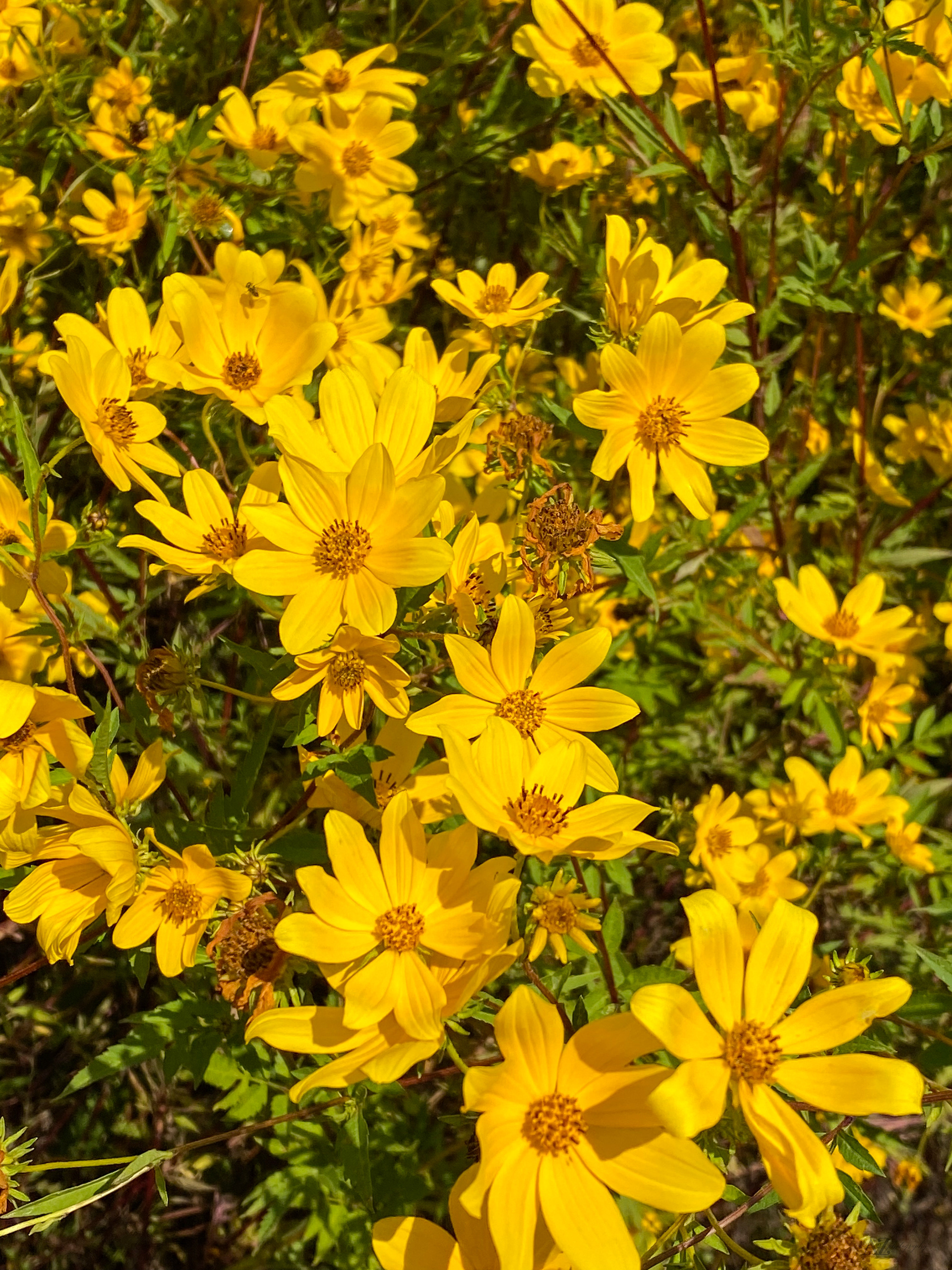
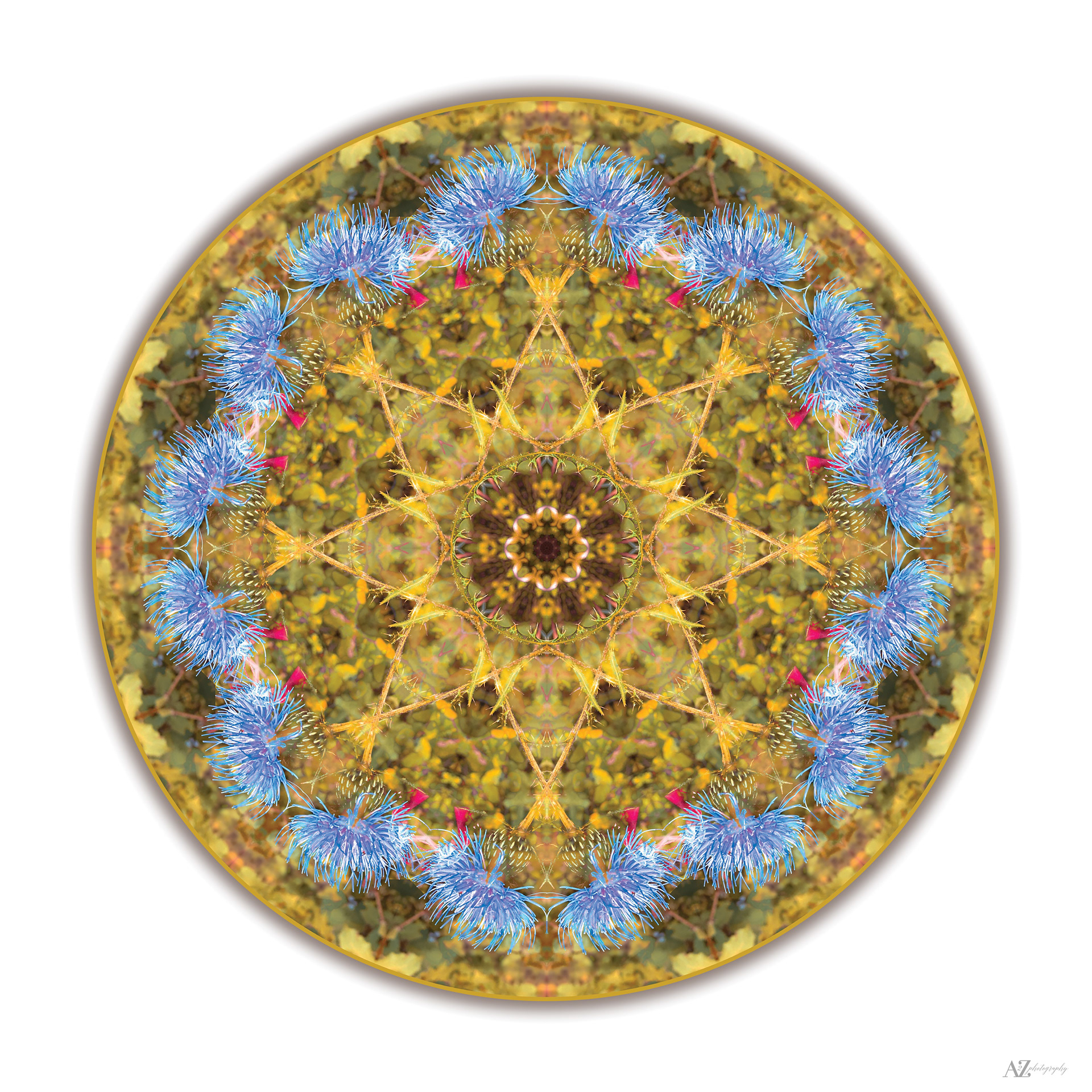
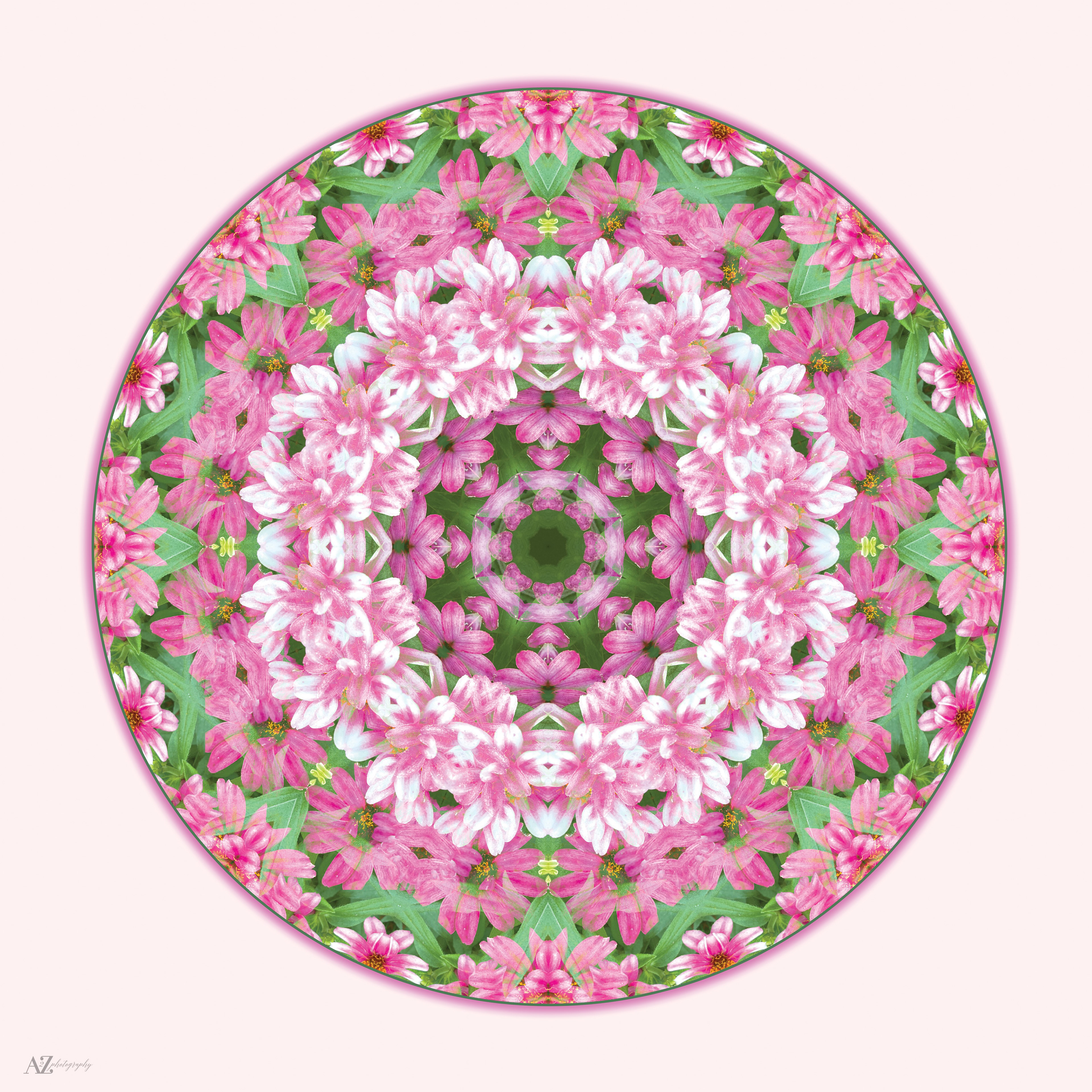
But figuring out how it had been created turned out to be only the beginning. Once I understood the basic process, I became fascinated by the possibilities. What started as an attempt to deconstruct someone else’s image quickly became an exploration of how an ordinary photograph could be reshaped into something completely unexpected.
A mandala is a circular geometric design made up of repeating shapes and patterns that radiate from a central point. Mandalas have a long history as spiritual and meditative symbols, particularly in Hindu and Buddhist traditions, where they can represent aspects of the universe and provide a focus for meditation and prayer.
From a photographer’s perspective, a mandala is essentially an exercise in seeing an image differently. Instead of viewing the photograph as a single composition, we begin breaking it apart, rotating it, and repeating it until something entirely new emerges.
Sometimes the result is beautifully symmetrical and delicate. Other times it is bold, chaotic, and almost unrecognizable compared to the original photograph.
And that’s what makes photographic mandalas so much fun. The photograph becomes more than an image— it becomes the raw material for creating a one-of-a-kind work of art.
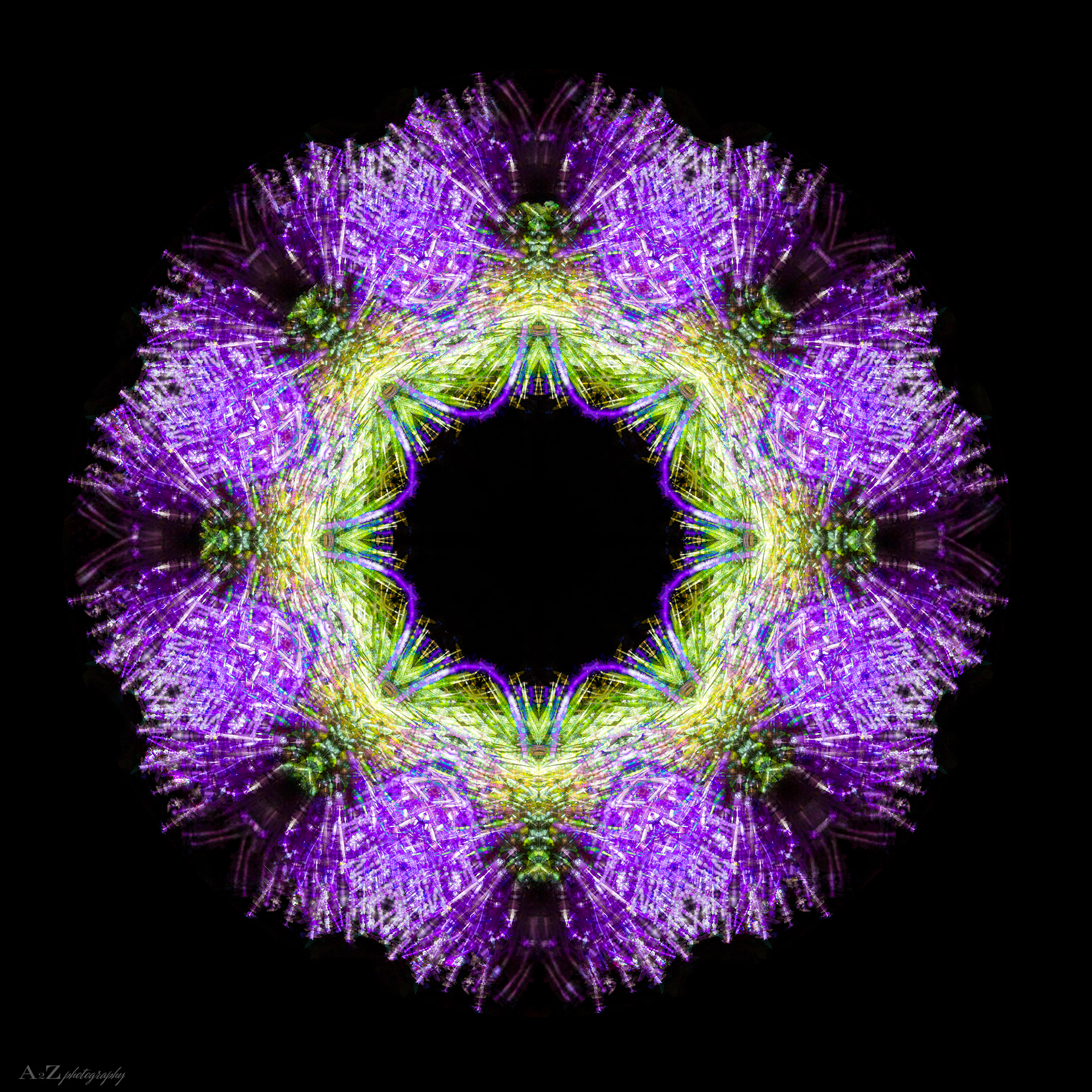
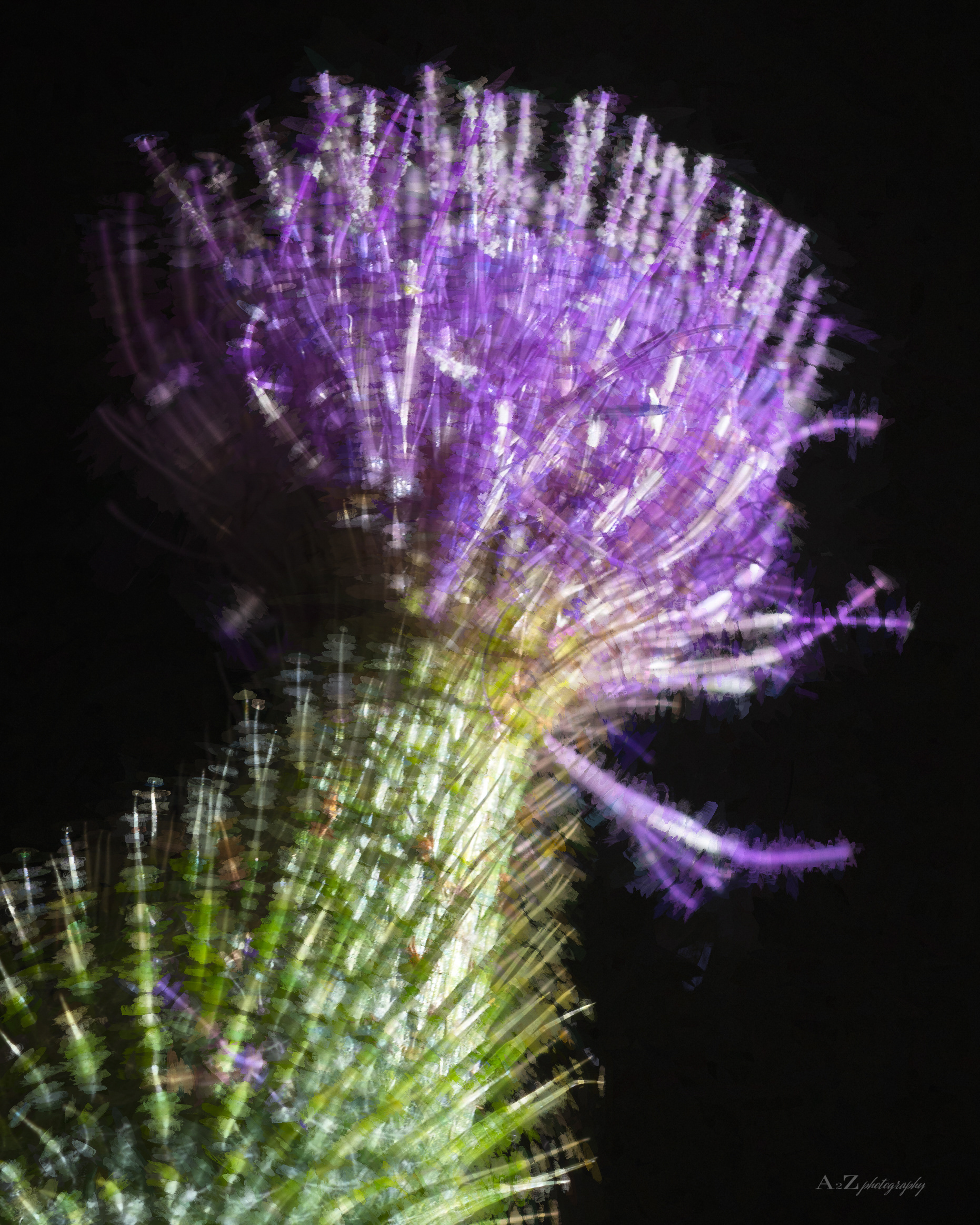
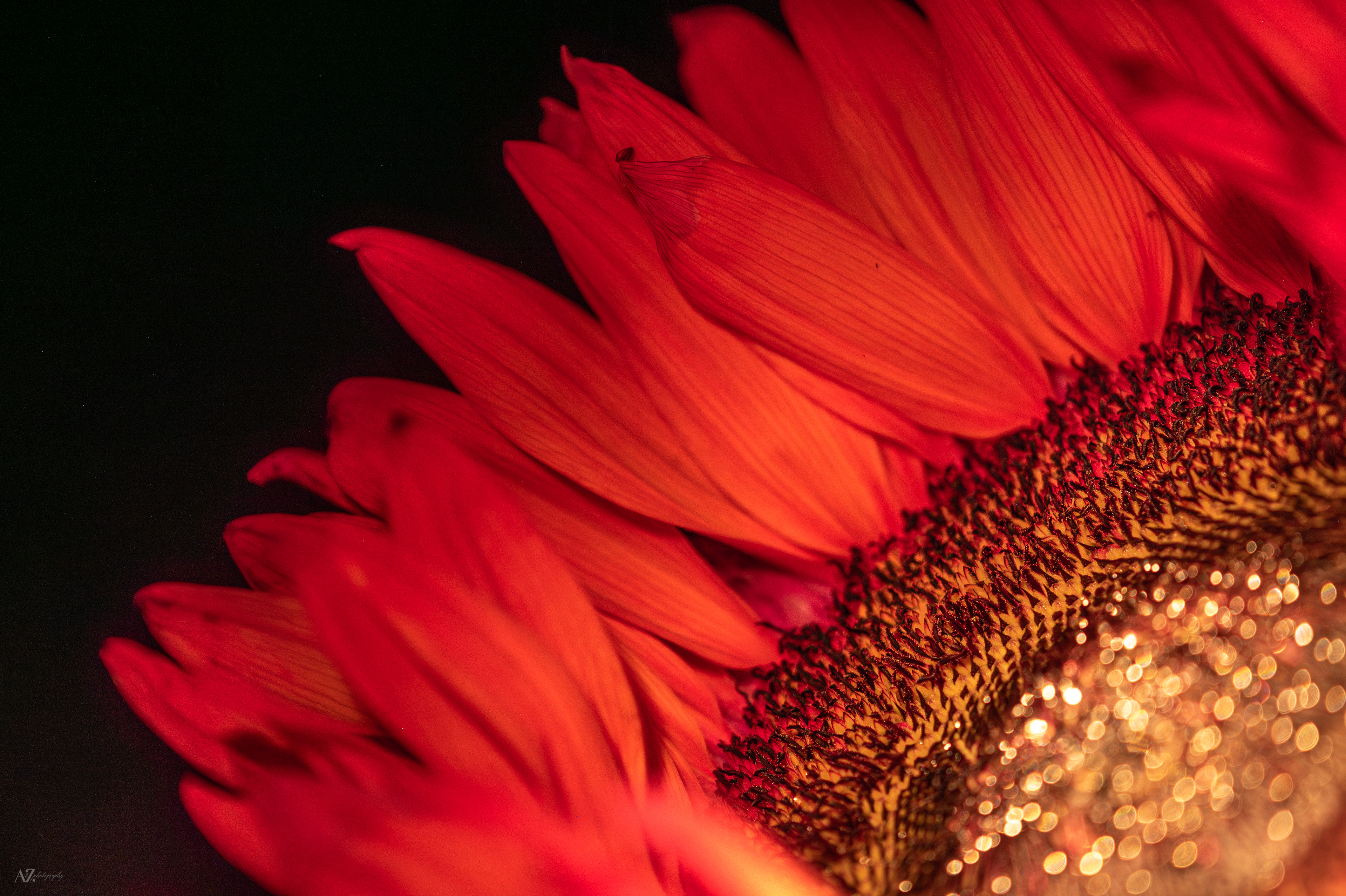
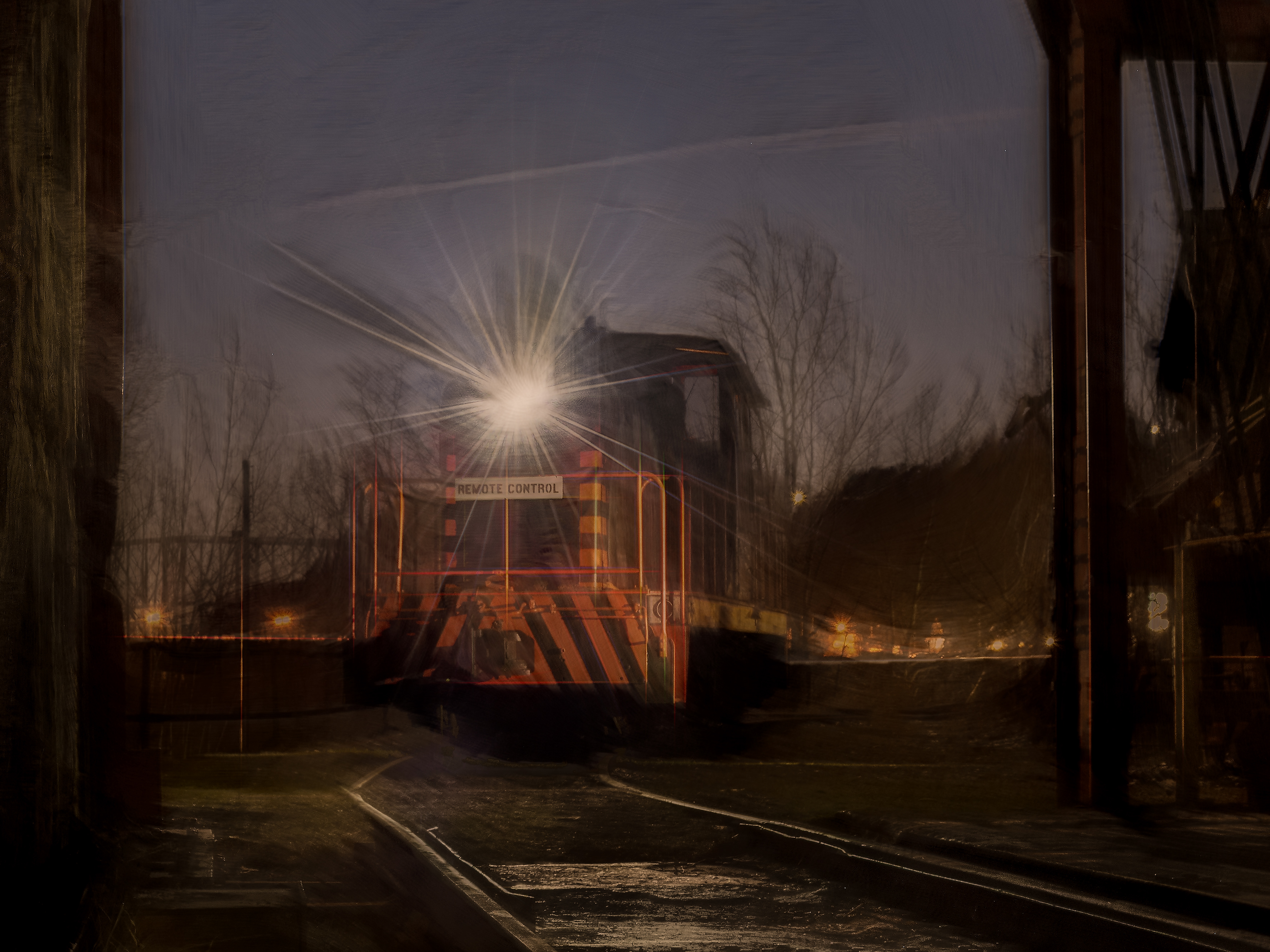
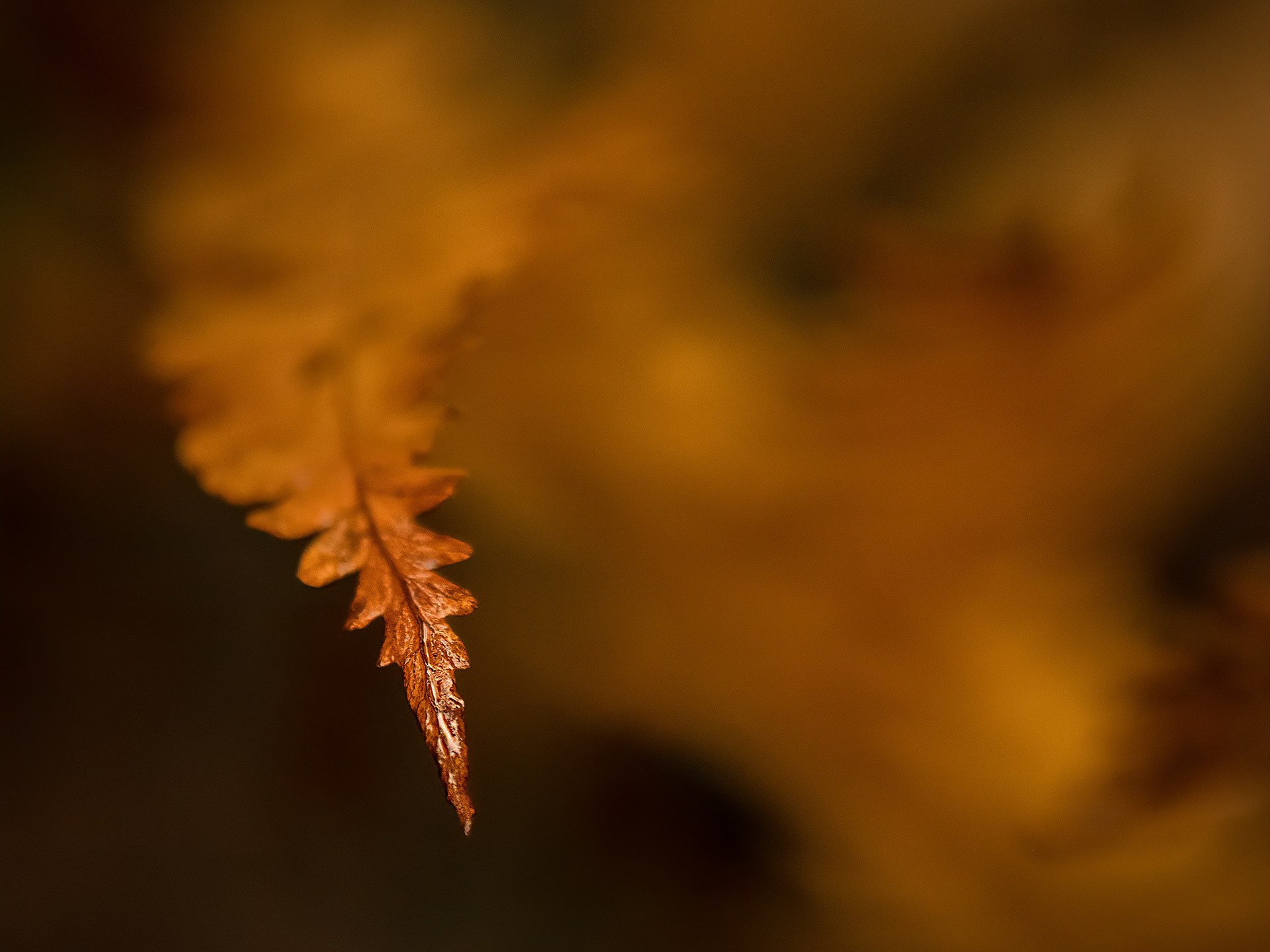
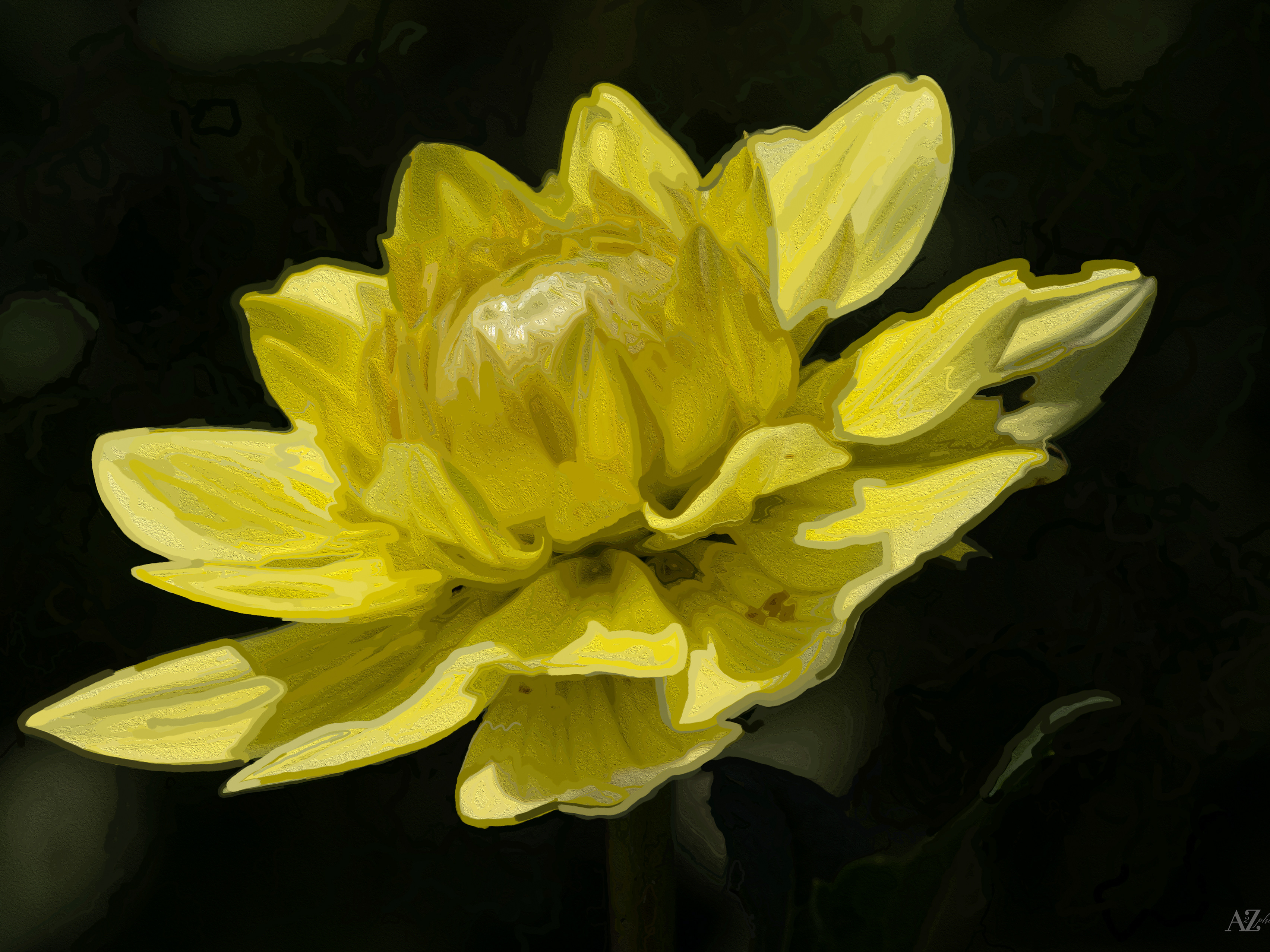
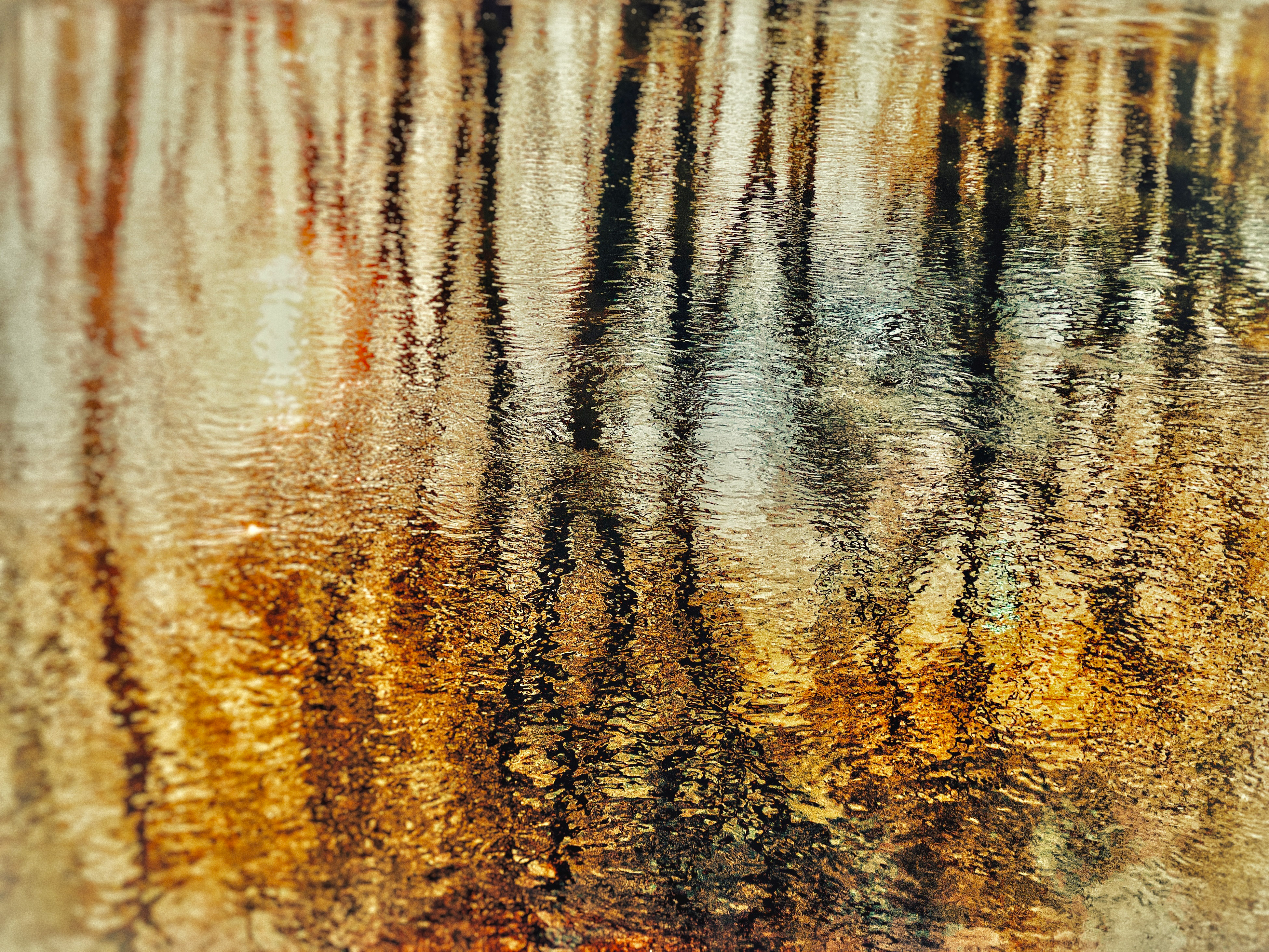
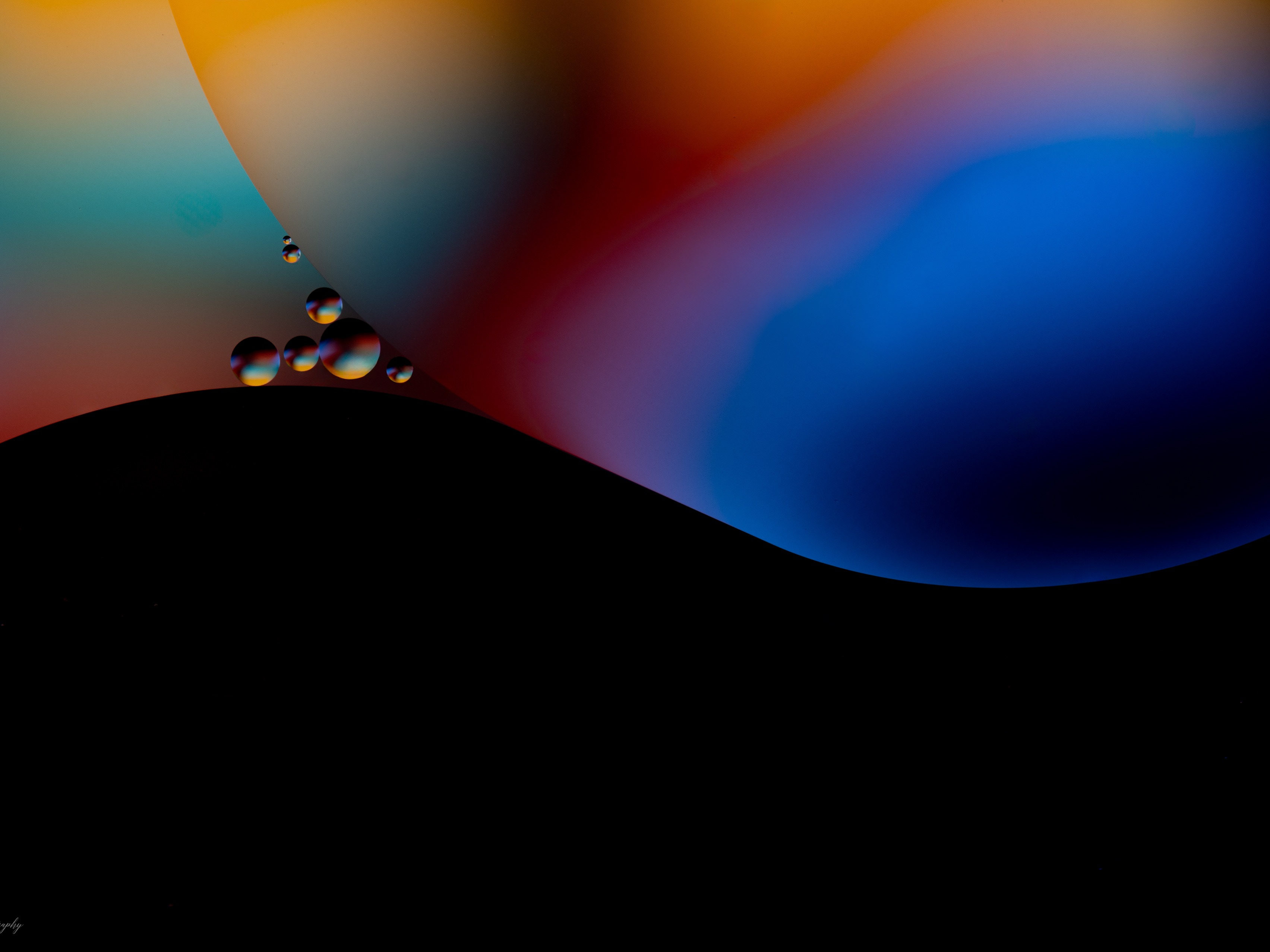
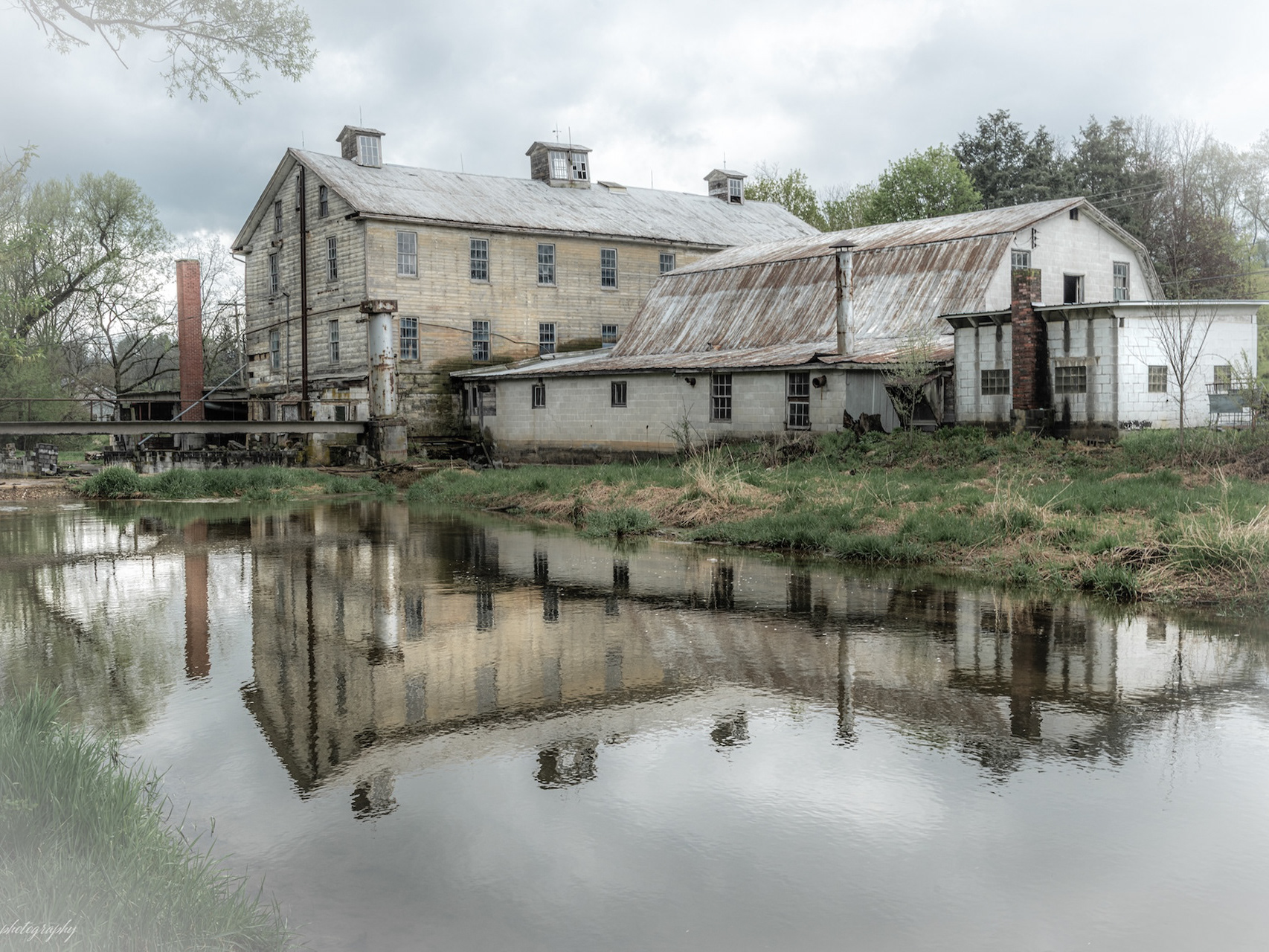
Starting image...
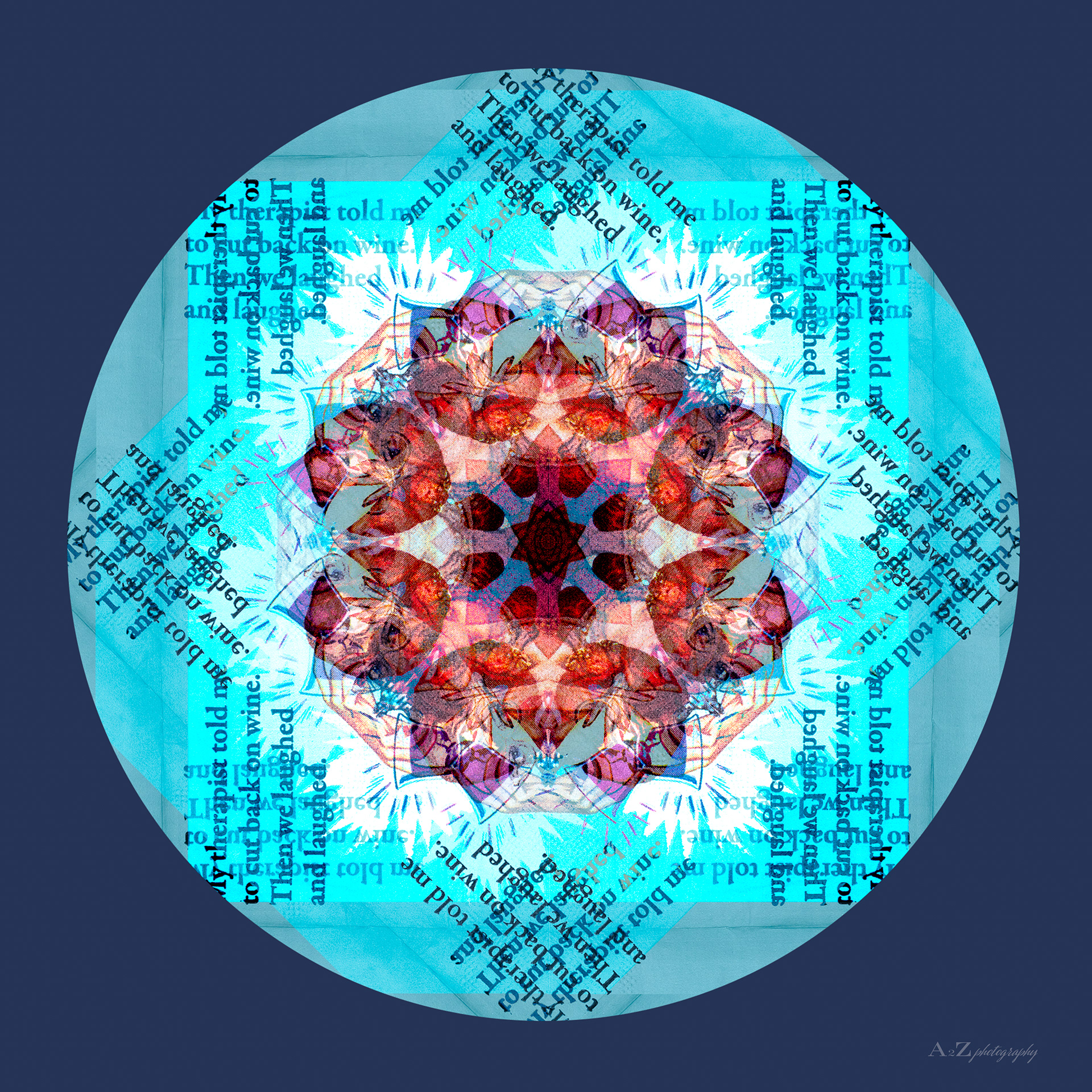

Starting image...
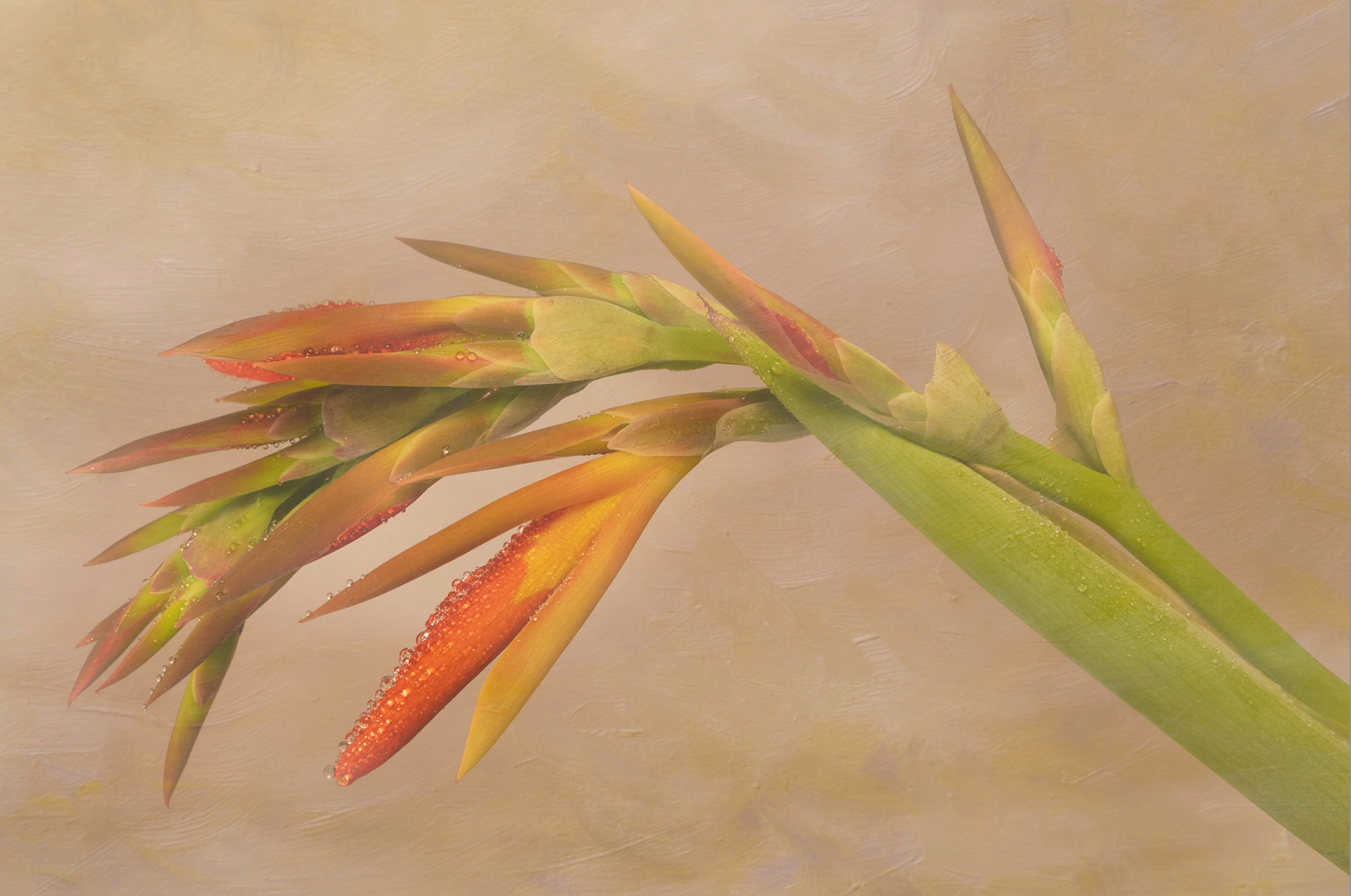
Starting image....
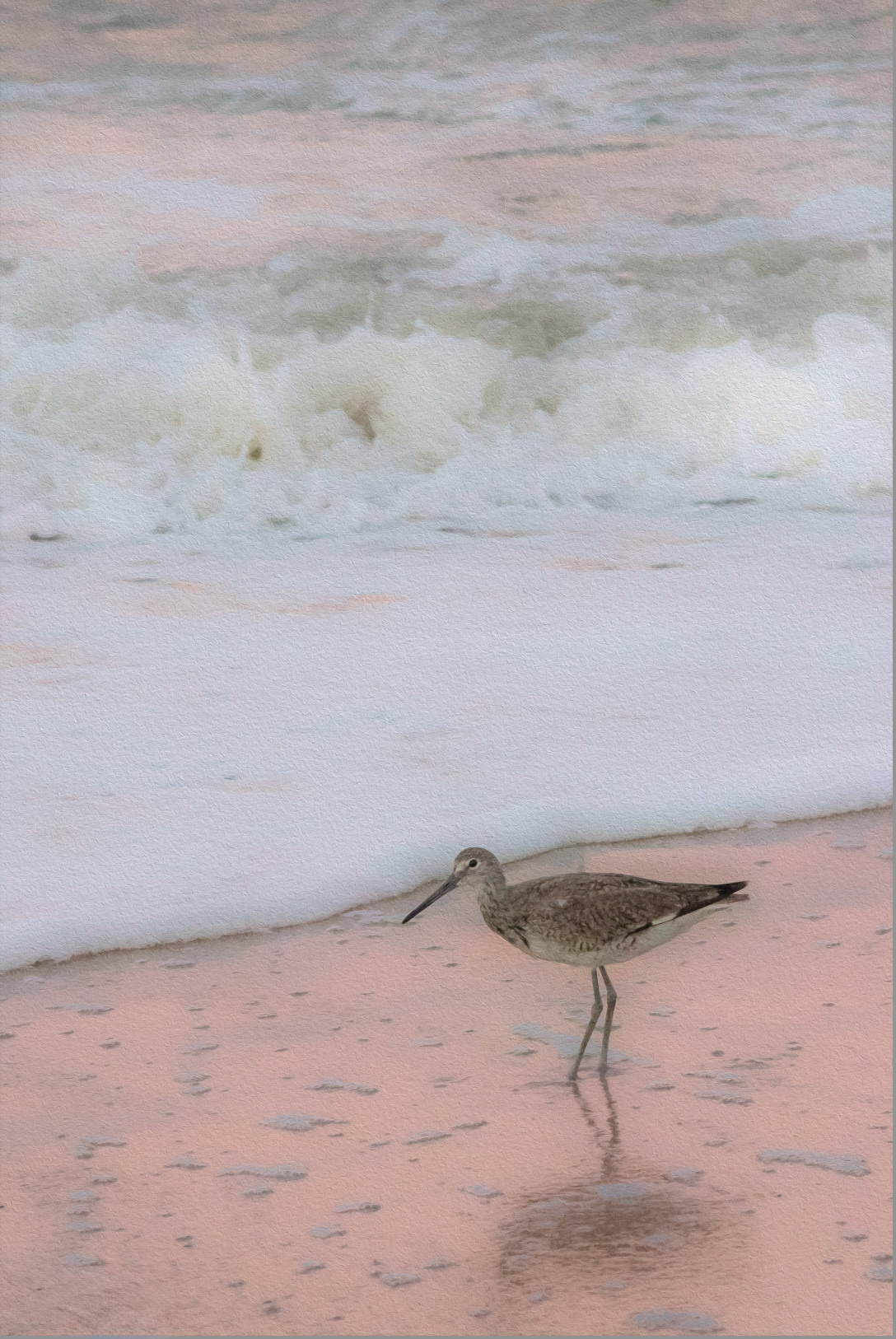
Starting image...
Starting image...

Starting image...
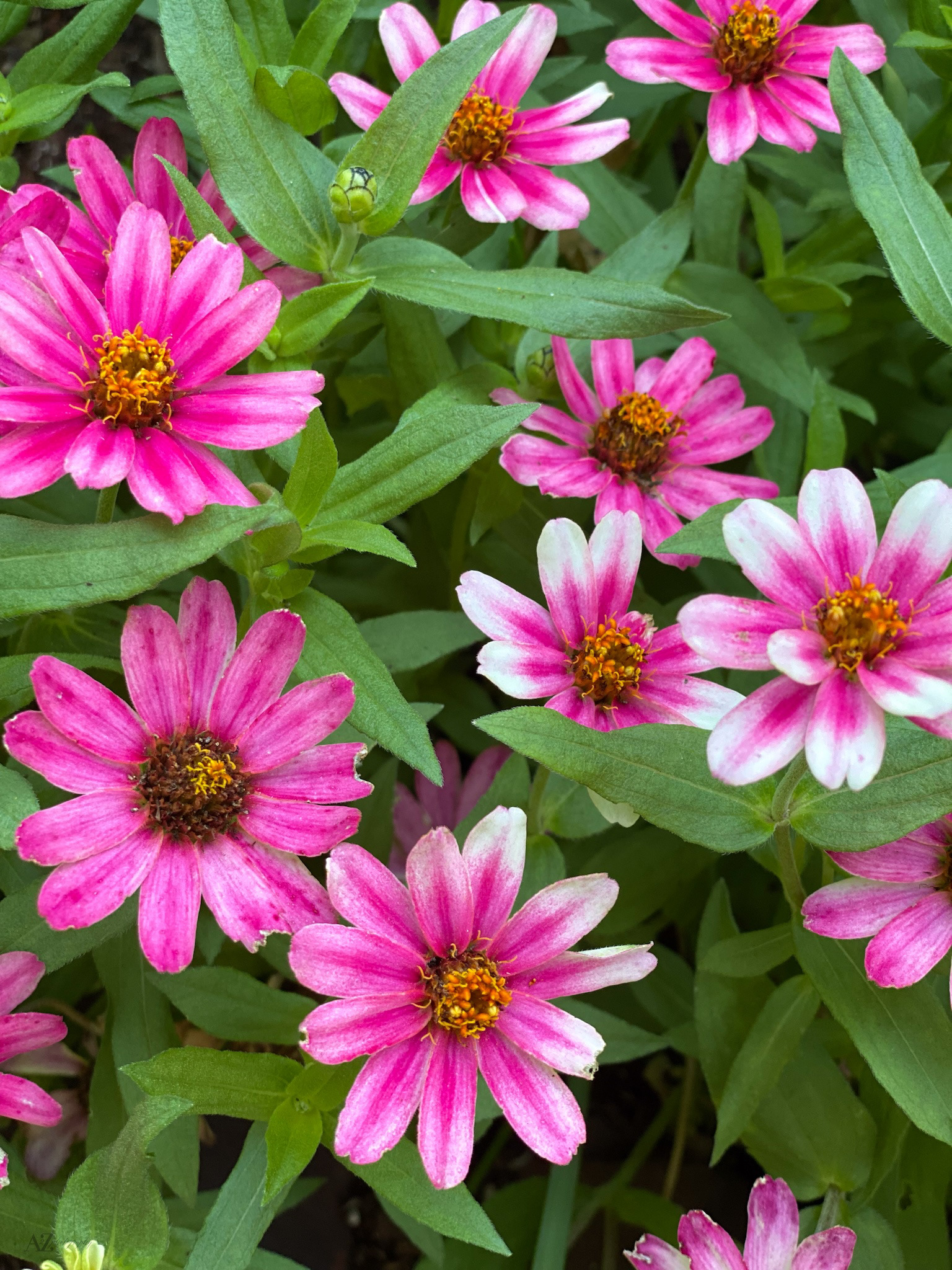
Starting image....
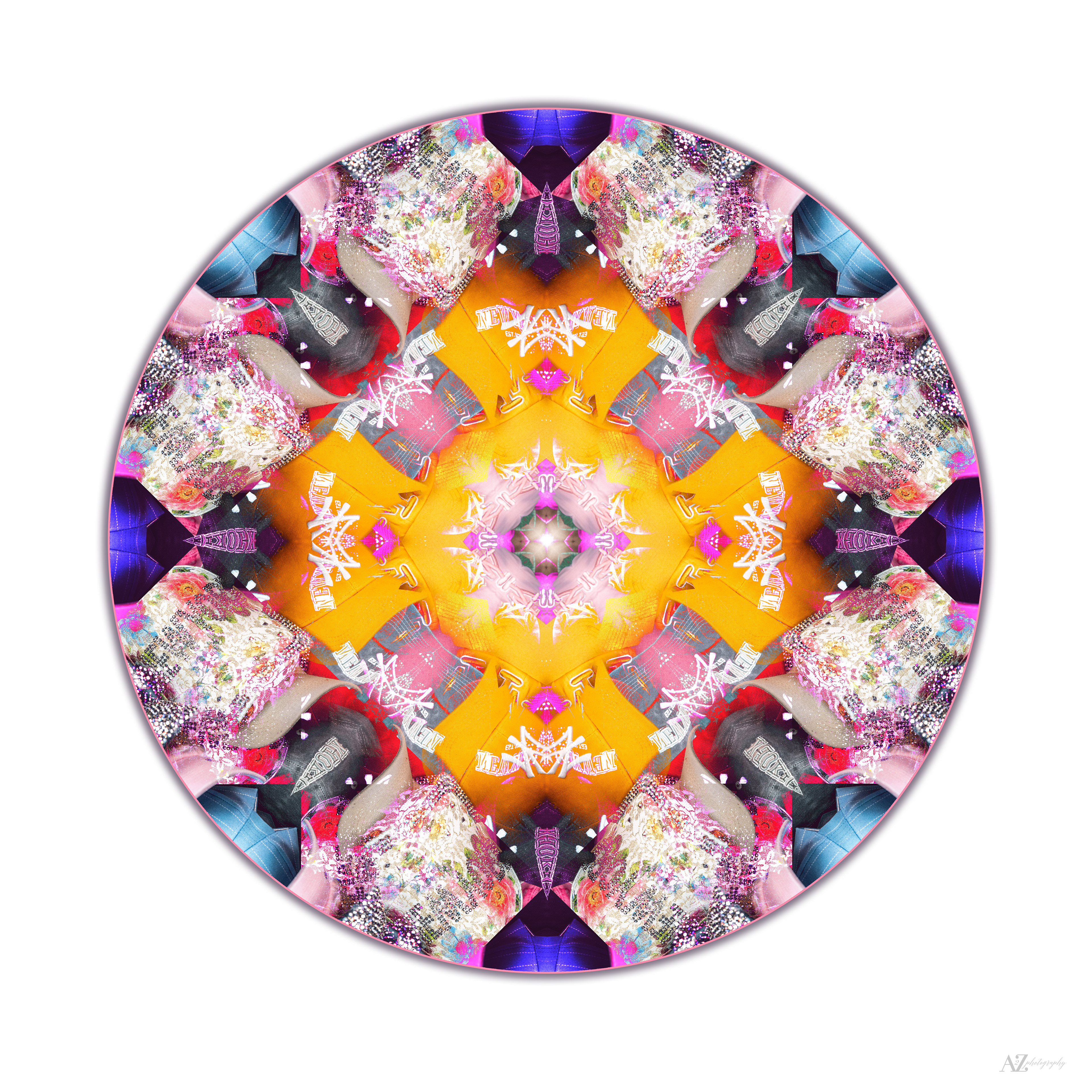

Starting image...